
The Complete Guide to Visiting Sundarban National Park (2026 Edition)
Everything you need to plan an unforgettable journey to the world's largest mangrove delta—from permits and Kolkata transfers to top watchtowers and wildlife sightings.
Introduction to the Sundarbans Delta: The World's Largest Mangrove Biosphere
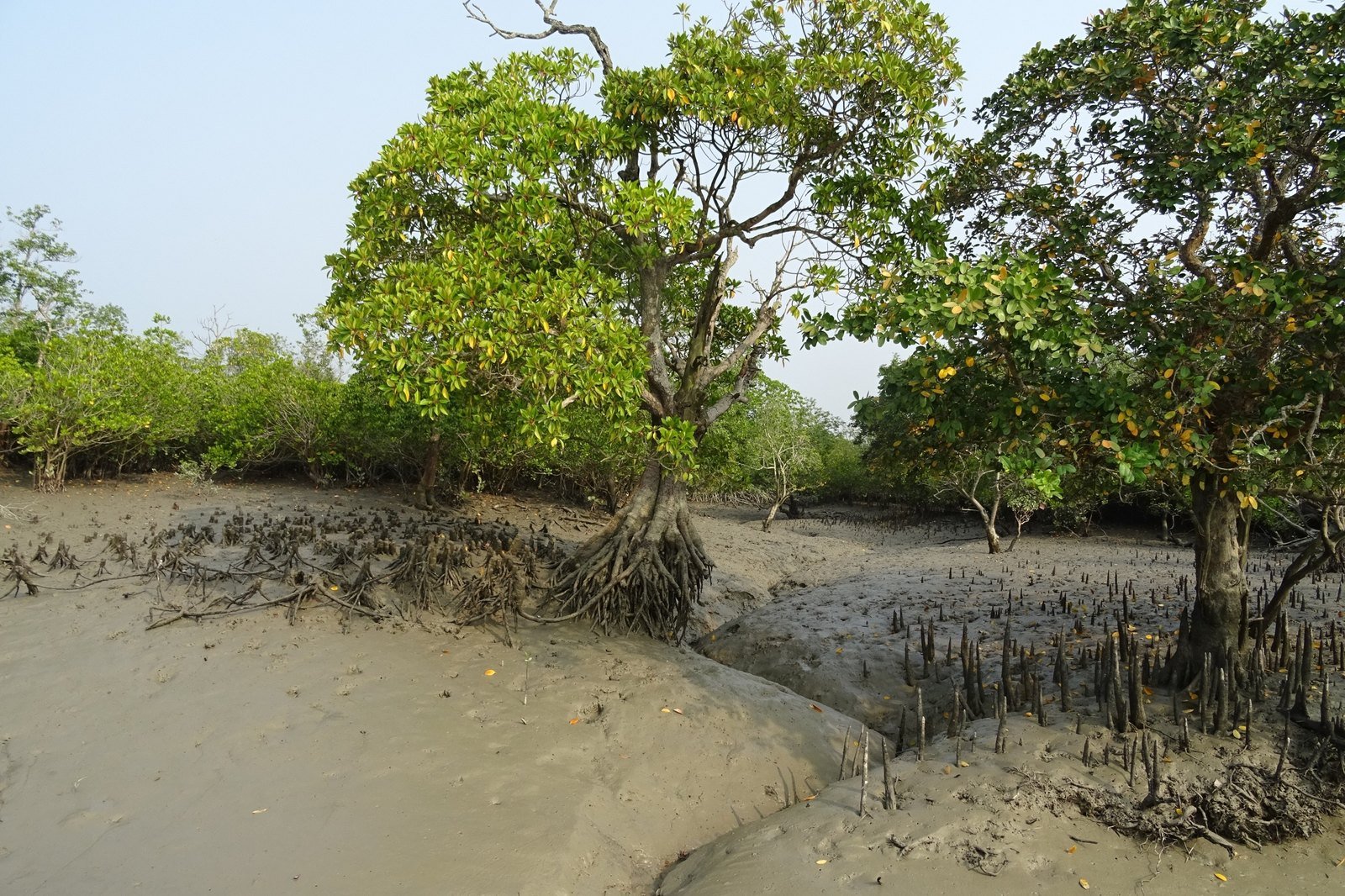
Spanning over 10,000 square kilometers across India and Bangladesh, the Sundarbans is a UNESCO World Heritage Site and the planet's largest contiguous halophytic mangrove forest. Formed by the mighty confluence of the Padma, Brahmaputra, and Meghna rivers emptying into the Bay of Bengal, this mystical labyrinth of tidal waterways, mudflats, and dense mangrove islands represents one of the most biodiverse and fragile ecosystems on Earth.
The Indian portion covers roughly 4,260 square kilometers across South and North 24 Parganas districts of West Bengal, of which approximately 2,585 square kilometers constitute the Sundarban Tiger Reserve (STR). Recognized as a Global Biosphere Reserve and a Ramsar Wetland of International Importance, Sundarban National Park is not just a destination for adventurous travelers—it is a frontline fortress protecting coastal Bengal from ferocious cyclonic storms while sustaining an extraordinary array of flora and fauna.
"To enter the Sundarbans is to step into an amphibious wilderness where tides dictate every rhythm of life. Twice each day, the entire landscape transforms as tidal waters rise and fall by up to 5 meters, submerging mangrove roots and reshaping mudbanks."
Zoning of the National Park: Understanding Where You Can Travel
To balance ecological conservation with sustainable eco-tourism, the West Bengal Forest Department divides the Sundarban Tiger Reserve into three well-defined administrative zones:
- The Core Zone (Strict Wilderness Sanctuary): Encompassing over 1,330 square kilometers in the southernmost reaches of the delta extending towards the Bay of Bengal. This zone is strictly inviolate. Human entry, commercial fishing, honey collection, and tourist boats are strictly prohibited by law to ensure undisturbed breeding habitats for Royal Bengal Tigers, saltwater crocodiles, and endangered river terrapins.
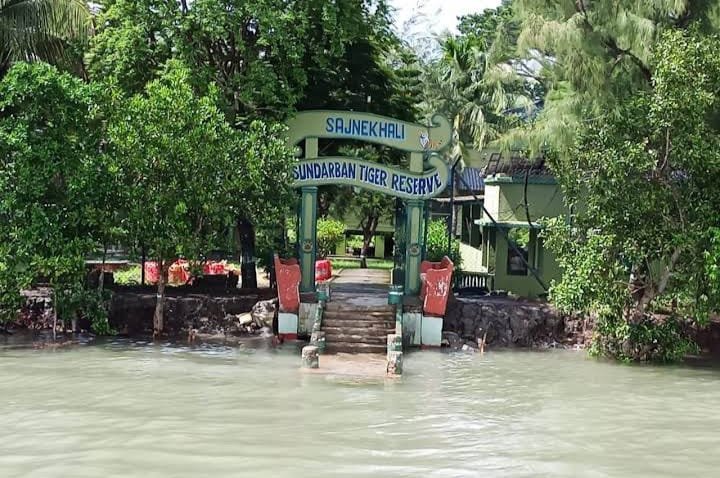
- The Buffer Zone (Eco-Tourism Area): This is where regulated tourism takes place. Encompassing the Sajnekhali Wildlife Sanctuary, Pirkhali, Gajikhali, Panchamukhani, Sudhanyakhali, and Dobanki, this area allows registered motorized safari vessels carrying certified forest guides and holding official entry permits.
- The Transition Zone (Human Settlement Delta): Located along the northern perimeter, including inhabited islands such as Gosaba, Pakhiralay, Dayapur, Bali Island, and Satjelia. Here you will find eco-resorts, local village markets, schools, and organic farming communities living harmoniously alongside the delta.
Forest Permits, Entry Fees & Official Safari Regulations (2026 Updated)
Entering Sundarban National Park requires mandatory clearances. At Go Sundarban Tour, all forest department permits, passenger taxes, boat clearance certificates, and guide fees are completely arranged in advance so our guests enjoy seamless passage.
Key Permitting Details & Costs: - Primary Permitting Hub: Sajnekhali Forest Range Office. Every vessel must dock at the Sajnekhali jetty to have its passenger manifest verified, life safety equipment inspected, and an official Forest Department Naturalist Guide assigned. - Entry Tariffs for Indian Nationals: INR 100 to 150 per person per day. - Entry Tariffs for Foreign Nationals: INR 400 to 500 per person per day (Passport and valid Indian Visa copies are mandatory at the time of permit issuance). - Boat Entry Permit Fee: INR 400 to 600 per boat per day depending on gross tonnage. - Forest Department Guide Charge: INR 500 to 800 per boat per day (Mandatory for every vessel entering the sanctuary). - Still & Video Camera Tariffs: Still cameras are generally included with personal entry permits, but professional digital movie rigs and commercial telephoto equipment may incur nominal surcharges. Drone cameras are strictly prohibited throughout the biosphere.
| Requirement / Item | Indian Travelers | International Visitors | Remarks |
| National Park Entry Fee | ₹100 - ₹150 / day | ₹400 - ₹500 / day | Included in Go Sundarban Tour packages |
| Identity Proof | Aadhaar / Voter ID / Passport | Valid Passport & Indian Visa | Must carry original physical copy |
| Boat Permit Clearance | ₹400 - ₹600 / vessel | ₹400 - ₹600 / vessel | Handled by tour operator at Sajnekhali |
| Mandatory Eco-Guide | ₹500 - ₹800 / day | ₹500 - ₹800 / day | Assigned by West Bengal Forest Dept |
| Drone Photography | Strictly Prohibited | Strictly Prohibited | Legal offense under Wildlife Protection Act |
| Plastic Water Bottles | Banned in Core Area | Banned in Core Area | Use onboard refillable RO water dispensers |
The Essential Watchtowers: Strategic Windows to the Wild
Because walking on foot inside the mangrove forests is strictly forbidden due to high tiger densities and treacherous pneumatophore root systems, wildlife viewing in Sundarban takes place from elevated, wire-mesh-enclosed watchtowers situated around strategic freshwater ponds.
1. Sajnekhali Watch Tower & Complex Serving as the administrative headquarters of the reserve, Sajnekhali is the first official stop for safari boats. - The Mangrove Interpretation Museum: Offers deeply educational exhibits on delta geology, mangrove plant adaptations, and indigenous tiger behavior. - Batagur Baska Hatchery: A dedicated captive breeding center for the critically endangered Northern River Terrapin. - Crocodile Pond: Houses juvenile and adult estuarine crocodiles rescued from fishing nets or injured in the wild. - Bono Bibi Temple: A sacred shrine where Hindu and Muslim forest workers pray side by side for safety before venturing into the mangroves.
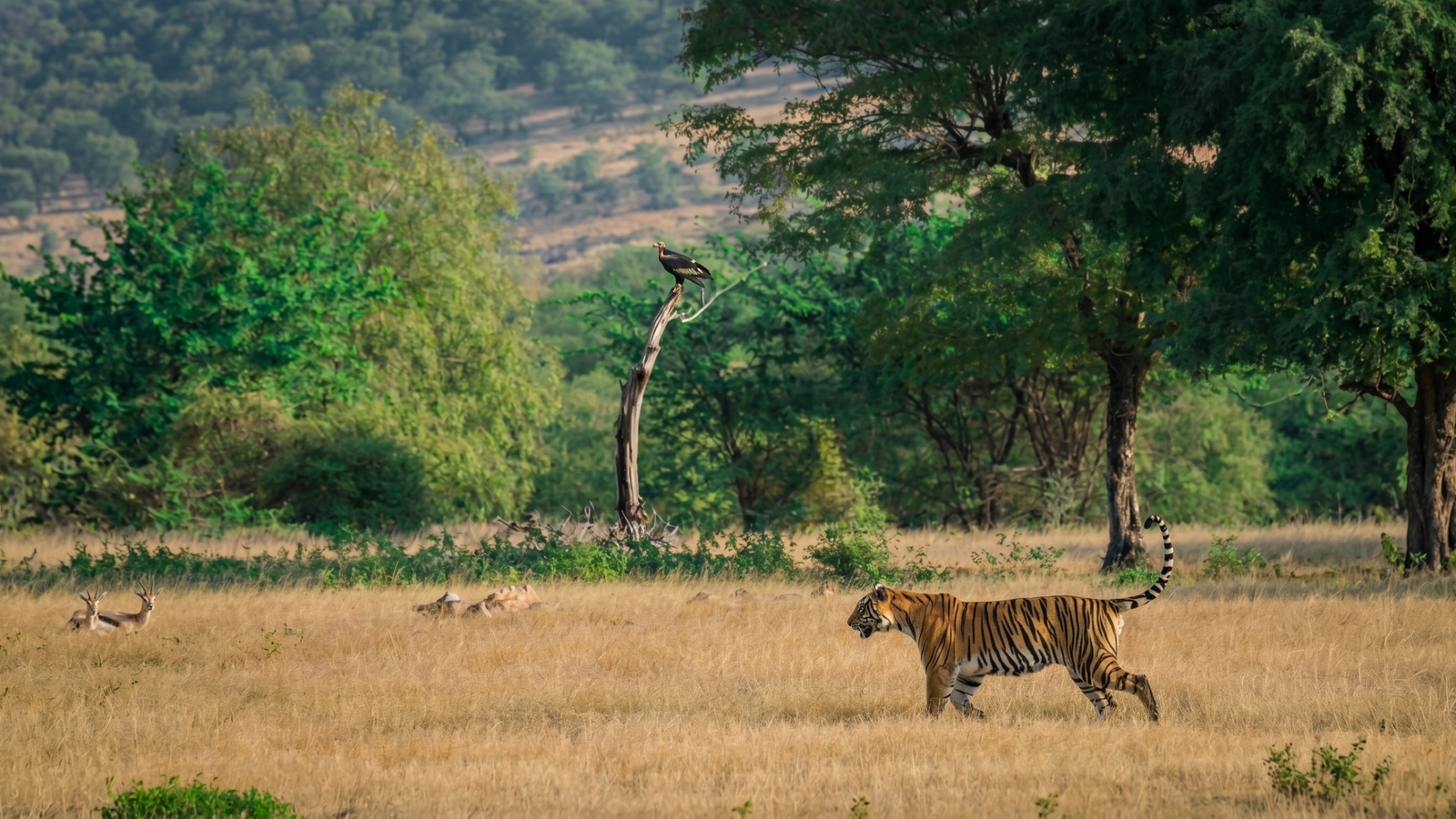
2. Sudhanyakhali Watch Tower Sudhanyakhali is world-renowned among wildlife photographers as the location with the highest statistical frequency of Royal Bengal Tiger sightings. - Freshwater Sweet Pond: Tigers, spotted chital deer, wild boars, and monitor lizards must visit this artificial freshwater pond daily because the surrounding tidal channels are excessively saline. - Capacity & Safety: A sturdy concrete three-story observation platform enclosed by 12-foot galvanized steel chain-link fencing, accommodating up to 30 visitors at a time. - Birding Vantage: Excellent for spotting Brahminy Kites, White-bellied Sea Eagles, and Collared Kingfishers resting on peripheral Sundari trees.
3. Dobanki Watch Tower & Aerial Canopy Walk Dobanki provides the most exhilarating walking experience in the entire Sundarbans delta. - 496-Meter Enclosed Canopy Walkway: Suspended approximately 20 feet above the forest floor, this elevated walkway allows travelers to stroll right through the mid-canopy level of the mangrove jungle while safely enclosed within heavy-duty steel wire mesh. - Sweeping Panorama: From the apex watchtower, you gaze across unbroken miles of emerald mangrove canopy and look straight down into the muddy tidal understory where deer herds browse and tigers stealthily prowl. - Freshwater Habitat: Overlooks another vital sweetwater reservoir bordered by lush Golpata (Nypa fruticans) palms.
4. Netidhopani Watch Tower (Heritage & Mystery) Located further south along the Matla River channel, Netidhopani blends wildlife excitement with mythological folklore. - 400-Year-Old Temple Ruins: Houses the brick remnants of a 4th-century temple believed to be associated with the Bengali epic myth of Behula and Lakhindar. - Historical Freshwater Lake: A vast natural sweet lake that draws massive herds of chital deer and occasional solitary tigers. - Permit Restrictions: Forest authorities restrict daily boat clearances to Netidhopani to prevent noise pollution in deep buffer corridors.
Wildlife of Sundarban: More Than Just the Bengal Tiger
While the Royal Bengal Tiger is undoubtedly the crown jewel of Sundarban National Park, the mangrove delta hosts an astonishing variety of specialized wildlife uniquely adapted to amphibious existence.
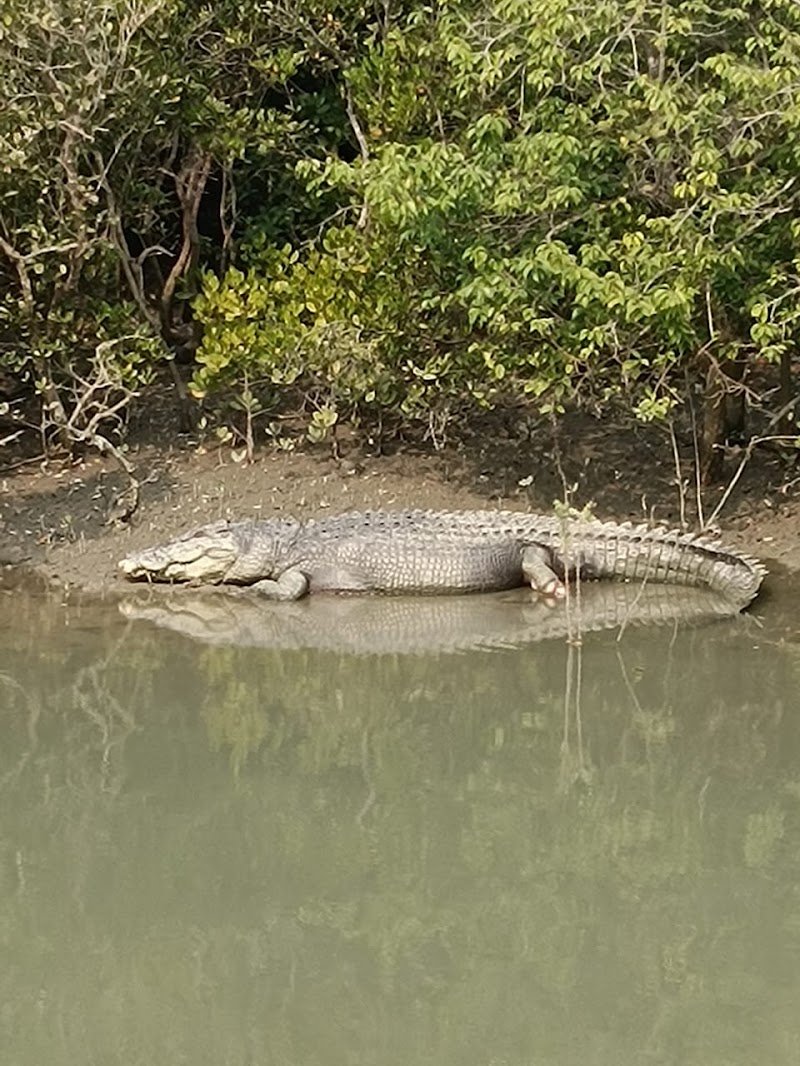
1. Saltwater Estuarine Crocodiles (Crocodylus porosus) Growing up to 20 feet in length, these prehistoric apex aquatic predators dominate the tidal rivers. During the cool winter months (December to February), giant crocodiles crawl out of the chilly water to bask motionless on exposed mudflats during low tide, absorbing warmth from the afternoon sun.
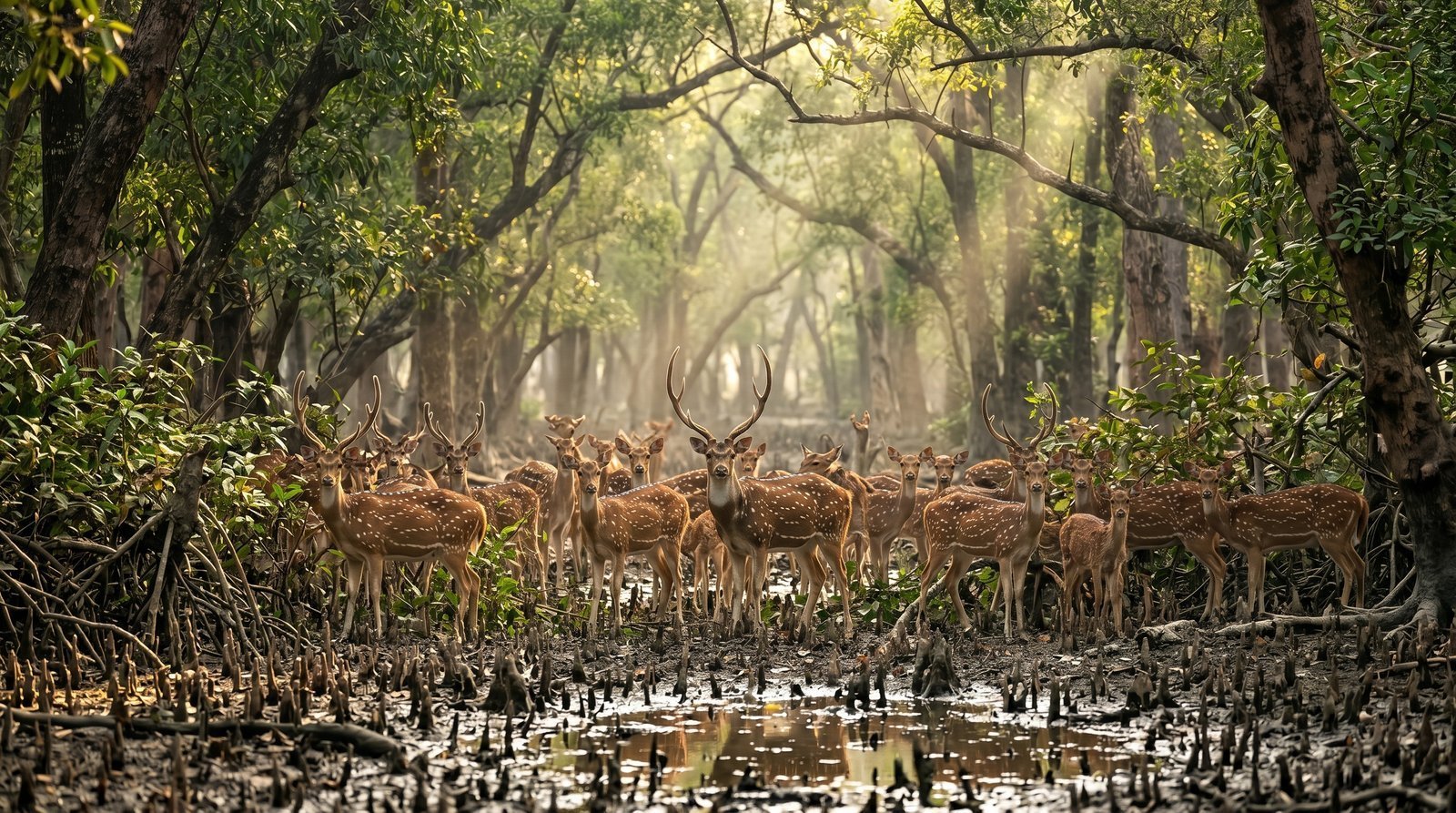
2. Spotted Chital Deer & Wild Boars Large herds of Spotted Chital Deer (Axis axis) populate every watchtower clearing. They maintain a famous symbiotic warning partnership with Rhesus Macaques: monkeys sitting high in mangrove trees sound piercing alarm barks the moment a tiger is spotted, giving grazing deer vital seconds to flee.
3. The Kingfisher Kingdom (7+ Species) Sundarban is a paradise for ornithologists. Patient observers can photograph up to seven distinct kingfisher species in a single day: - Brown-winged Kingfisher (Endemic to coastal mangrove belts) - Black-capped Kingfisher (Brilliant violet-blue plumage and coral-red bill) - Pied Kingfisher (Fascinating hovering flight over tidal creeks) - White-throated, Common, Collared, and Stork-billed Kingfishers.
4. Mudskippers and Fiddler Crabs The intertidal mudflats come alive during low tide with millions of colorful fiddler crabs displaying their enlarged claws, alongside amphibious mudskipper fish that walk across slippery mud using modified pectoral fins and breathe air through vascularized gill chambers.
Best Season to Visit Sundarban National Park
| Season | Months | Climate & Temperature | Wildlife Viewing Rating | Key Experience |
| Peak Winter | November – February | 12°C – 25°C, Crisp, dry, sunny | 5 / 5 (Exceptional) | Tigers & crocodiles basking on mudbanks; migratory birds |
| Spring & Early Summer | March – May | 24°C – 34°C, Warm, humid | 4.5 / 5 (High sightings) | Animals congregate at freshwater ponds; clear waterways |
| Monsoon | June – September | 26°C – 32°C, Heavy rains, lush | 3 / 5 (Moderate) | Brilliant emerald greenery; mating season; challenging tides |
| Autumn (Post-Monsoon) | October | 20°C – 29°C, Pleasant breeze | 4 / 5 (Very Good) | Festive Durga Puja atmosphere; refreshing clean air |
How to Reach Sundarban National Park from Kolkata
The journey from Kolkata into the delta combines picturesque highway drives through South Bengal countryside with scenic river navigation:
- By Private Car / Tourist Coach (Recommended):
- - Route: Kolkata (Science City) $ ightarrow$ Basanti Highway $ ightarrow$ Ghatakpukur $ ightarrow$ Malancha $ ightarrow$ Canning $ ightarrow$ Godkhali Jetty.
- - Distance: 82 to 95 km (Approx. 3 to 3.5 hours drive).
- - Godkhali Jetty is the "Gateway to the Sundarbans", where guests board their private motorized safari vessel.
- By Local Suburban Train (Budget Route):
- - Board the Canning Local train from Sealdah South Section (runs every hour, 1 hour 15 min journey).
- - From Canning Railway Station, take an auto-rickshaw or shared magic-van to Godkhali Jetty (28 km, approx. 45 minutes).
Forest Rules & Conservation Code of Conduct
As a responsible eco-tourist visiting a delicate biosphere reserve, every visitor must strictly adhere to statutory forest rules: - Zero Tolerance for Littering: Never toss single-use water bottles, plastic wrappers, or cigarette butts into the river. All trash must be deposited in onboard waste bins. - Maintain Low Noise Levels: Safari boats must cruise quietly. Loud music systems, portable speakers, and shouting are strictly forbidden inside the sanctuary. - No Disembarking on Mudbanks: Under no circumstances should any traveler attempt to step off the boat onto the riverbank or mudflats. - Wear Life Jackets: Whenever the boat is navigating wide river channels or confluence junctions, wearing life jackets is mandatory by maritime law.
Frequently Asked Questions (FAQ)
Q1. How many days are ideal to visit Sundarban National Park? A 2 Nights 3 Days tour is the gold standard. It allows you to explore the deep buffer zones (Sajnekhali, Sudhanyakhali, Dobanki, Pirkhali, and Panchamukhani) without exhaustion, giving you over 18 hours of dedicated river safari time.
Q2. Can foreign tourists visit Sundarban National Park easily? Yes! Foreign travelers require only an original passport with a valid Indian Tourist or Business Visa. Go Sundarban Tour handles all foreign registration paperwork and forest department security clearances at Sajnekhali on your behalf.
Q3. Are boat safaris safe for senior citizens and children? Absolutely. Our motorized safari boats are wide-hulled, highly stable vessels fitted with safety railings, comfortable chairs, clean Western restrooms, and emergency life buoys. All watchtowers feature gently sloping ramps and secure steel fencing.
Q4. What should I wear during a national park boat safari? Wear loose, breathable cotton clothing in earth colors such as khaki, olive green, light beige, or brown. Avoid bright red, neon yellow, or stark white clothing that could alert wildlife from a distance. Bring a wide-brimmed sun hat and polarized sunglasses.
Q5. Is night cruising permitted inside Sundarban National Park? No. Forest Department regulations prohibit tourist vessels from cruising inside the national park waters between sunset (6:00 PM) and sunrise (6:00 AM). All safari boats must anchor at authorized jetties or return to island eco-resorts overnight.
Q6. What happens if someone falls ill during the tour? Go Sundarban Tour vessels carry comprehensive first-aid medical kits and emergency contact protocols. Gosaba island maintains a government rural hospital and medical centers with doctors available 24/7. Speedboats are on standby for immediate evacuation if required.
Table of Contents
Debraj Sarkar (Lead Naturalist)
Go Sundarban Tour Wildlife & Research Team
Dedicated to conservation, ethical safari education, and showcasing the beauty of the Bengal delta.
Experience Sundarban In Person
All-inclusive packages with AC transfers, boat safaris & authentic Bengali buffet.
View Tour PackagesRelated Articles & Guides
View All Articles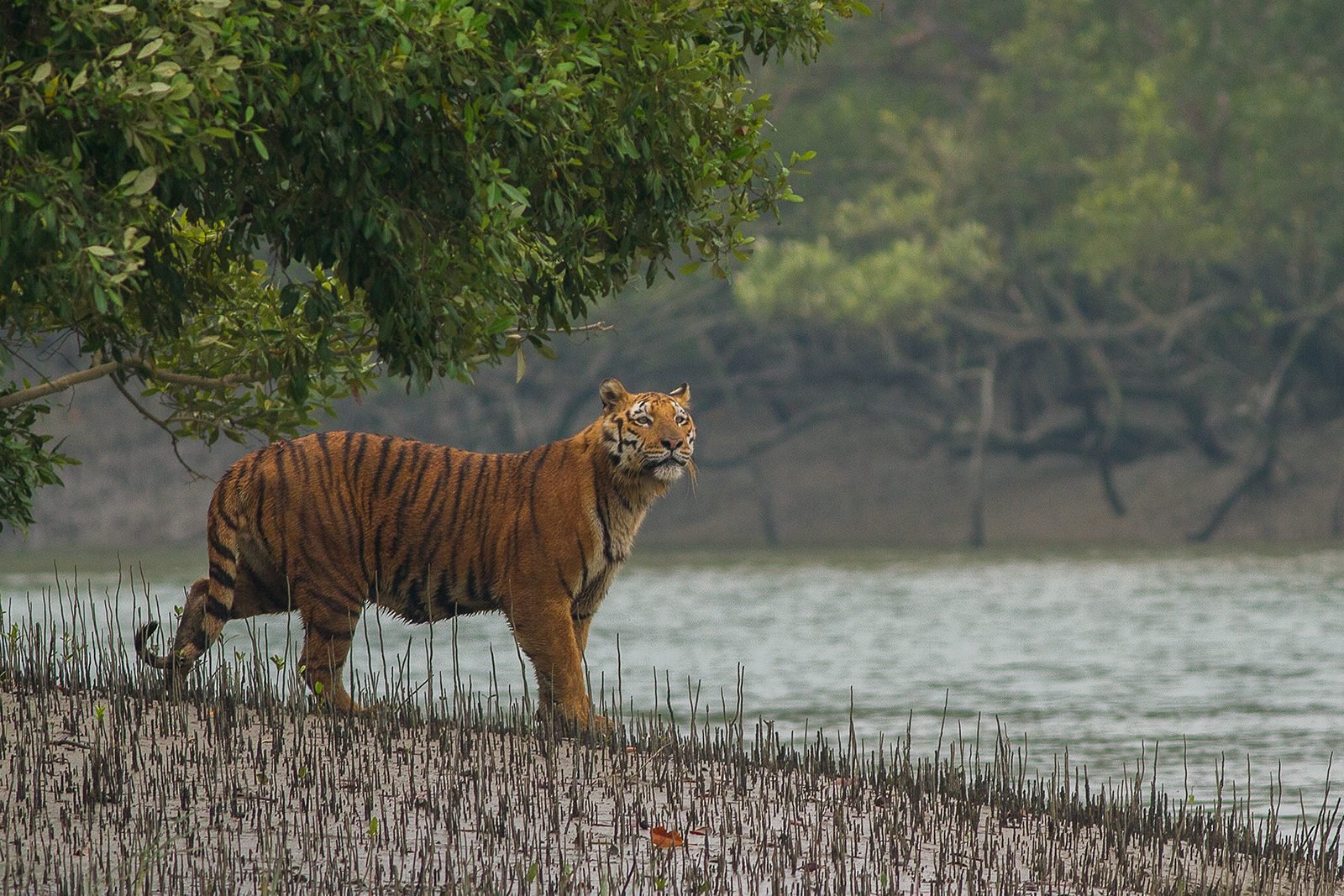
Ready For Your Unforgettable Sundarban Safari?
Reserve your seats today with a minimal advance. Certified naturalist guides, luxury river vessels, and authentic Bengali feasts await you.