
Best Time to Spot Royal Bengal Tigers in Sundarban: Expert Naturalist Tips
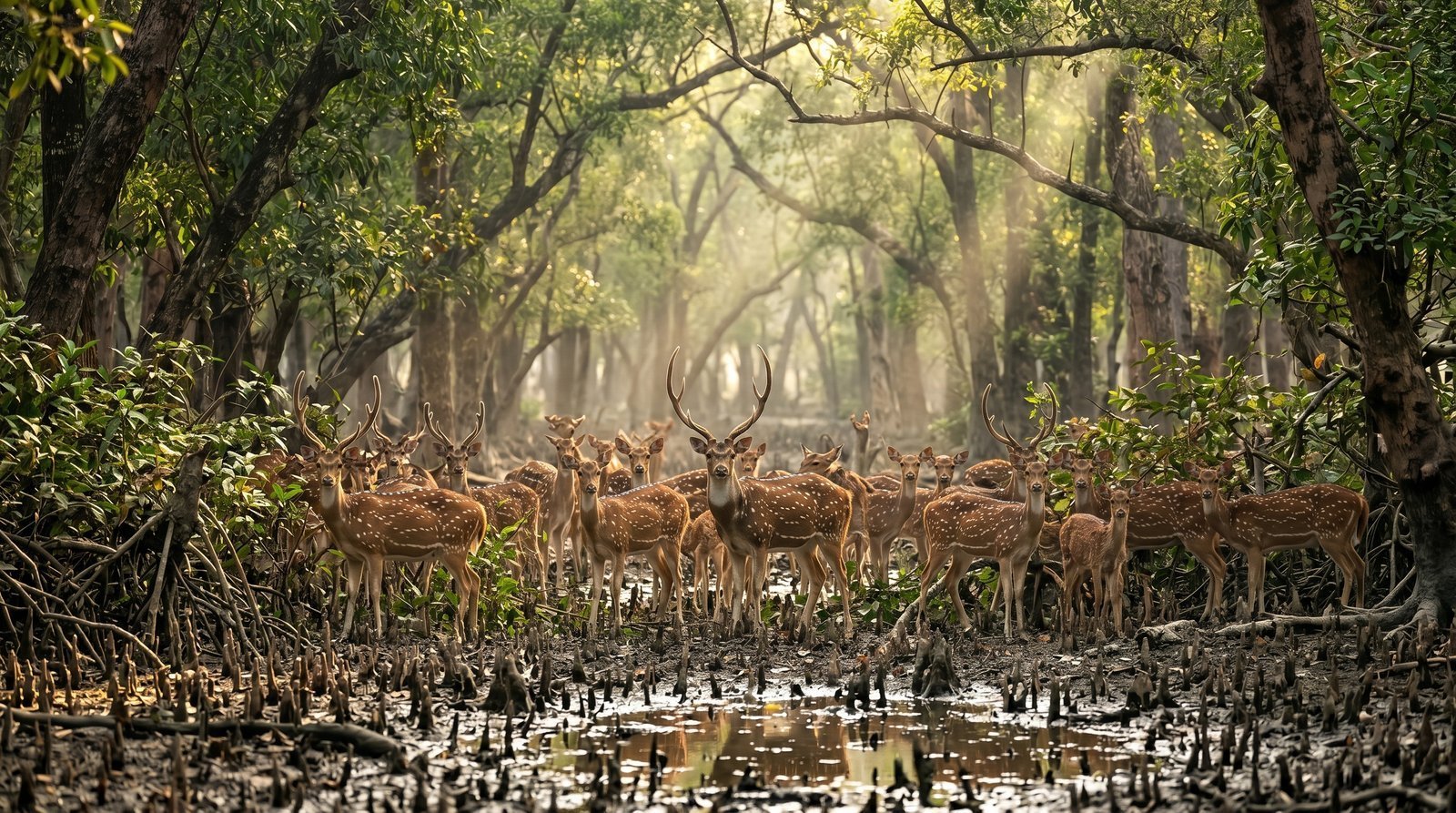
Learn the seasonal secrets, tidal timings, and top watchtower zones that maximize your probability of spotting the elusive swamp tiger.
The Mystique of the Mangrove Tiger: Why Sundarban Tigers are Unique
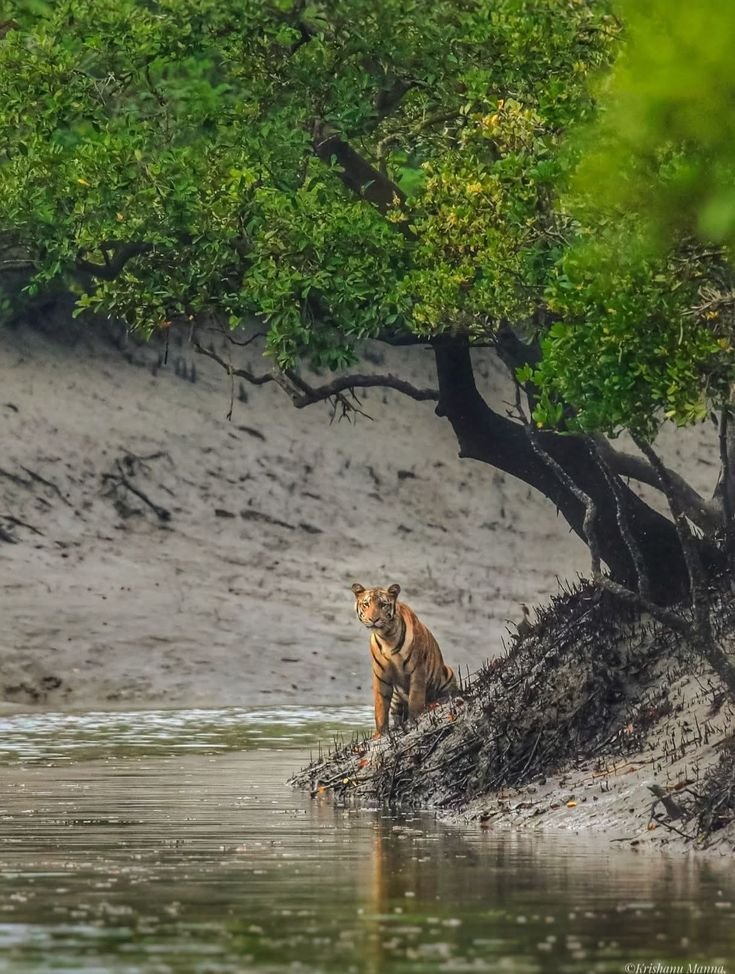
The Royal Bengal Tiger (Panthera tigris tigris) of the Sundarbans is unlike any other big cat on planet Earth. While tigers in terrestrial reserves like Ranthambore, Jim Corbett, or Bandhavgarh rule over dry deciduous forests, grasslands, and rocky ravines, the Sundarban tiger reigns supreme over a dynamic, semi-aquatic world governed by daily ocean tides.
Over centuries of isolation in this saline delta, Sundarban tigers have evolved extraordinary physical and behavioral adaptations: - Amphibious Swimmers: They are apex marine predators capable of swimming across broad river channels 5 to 8 kilometers wide, often battling strong tidal currents that would exhaust ordinary animals. - Saltwater Tolerance: They can tolerate brackish water and extract moisture from prey, although they actively seek out sweetwater rain ponds created by the forest department. - Stealth and Compact Build: Being slightly more compact and agile than their northern counterparts, they navigate dense, thorny mangrove roots and thick mudbanks with astonishing silence.
"Spotting a Sundarban tiger is not just a wildlife sighting—it is a spiritual encounter with one of nature's greatest survivors. Because the mangrove canopy is impenetrable, every sighting occurs on the water's edge or at freshwater watering holes."

Month-by-Month Tiger Sighting Probability in Sundarban
Wildlife enthusiasts frequently ask: What is the absolute best month to visit Sundarban for a tiger sighting? While wildlife sightings can never be 100% guaranteed in an open wilderness, statistical tracking over thousands of safaris reveals clear seasonal patterns.
| Month Range | Weather Conditions | Tiger Sighting Probability | Primary Tiger Behavior |
| December – February | Cool, crisp mornings (12°C–22°C), bright afternoon sun | 85% – 90% (Peak Window) | Tigers bask on sunlit mudflats during low tides to regulate body temperature |
| March – April | Warm, sunny days (24°C–32°C), calm river conditions | 75% – 80% (Excellent) | High activity around Sudhanyakhali and Dobanki sweetwater ponds |
| May – June | Hot and humid (28°C–36°C), pre-monsoon squalls | 65% – 70% (Very Good) | Frequent swimming across channels to cool down; fewer tourist boats |
| July – September | Heavy monsoon rainfall, swollen rivers, dense foliage | 35% – 45% (Challenging) | Tigers retreat deeper into high-ground mangrove ridges away from rising waters |
| October – November | Clear blue skies, refreshing breeze, post-monsoon greenery | 65% – 75% (Good) | Tigers resume patrolling mudbank territorial boundaries |
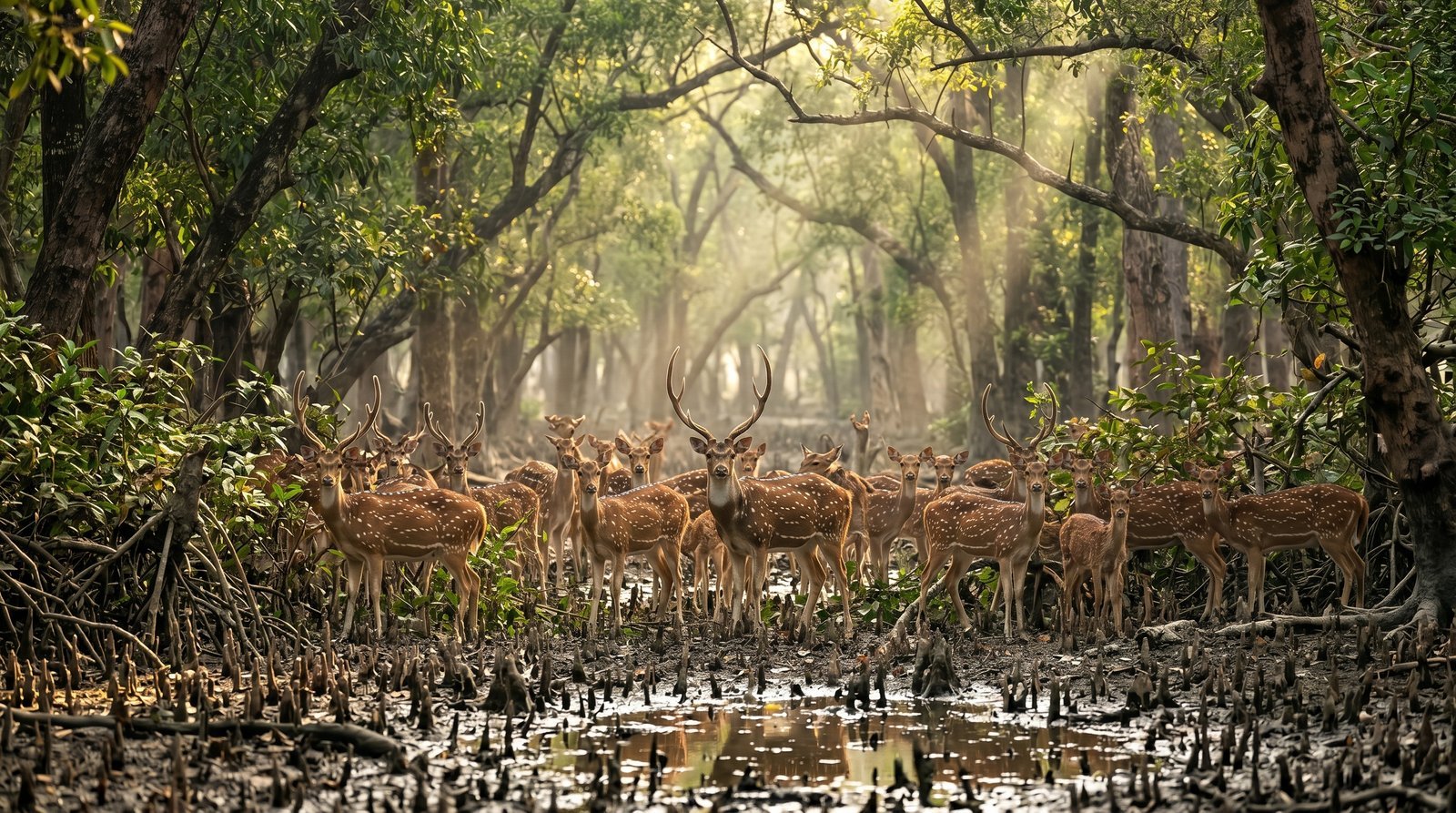
The Secret Science of Tides: The "Magic Hour" of Low Tide
In the Sundarbans, the clock on your wall matters far less than the lunar tidal cycle. The delta experiences two high tides (Jowar) and two low tides (Bhata) every 24 hours, causing water levels to fluctuate by 3 to 5 meters.
Why Low Tide is the Best Time for Tiger Spotting: 1. Exposed Mudflats: During high tide, water reaches right up into the dense mangrove branches, giving tigers no open ground to walk upon. As low tide sets in, wide shelves of wet grey clay are exposed along both sides of every creek. 2. Shoreline Hunting & River Crossings: Tigers utilize these exposed mudbanks as natural highways to patrol their territorial boundaries and stalk basking deer or mudskippers. They also choose low tide to swim across channels where water velocity temporarily slackens. 3. Pugmark Tracking: Low tide reveals fresh, razor-sharp tiger pugmarks pressed deep into the moist mud, allowing experienced naturalists to determine if a tiger crossed minutes before our boat arrived.
[!TIP] > Spring Tides (Bhora Kotal) vs. Neap Tides (Mora Kotal): During neap tides (around the first and third quarters of the moon), the difference between high and low water is gentle, allowing safari boats to navigate narrow inner channels for longer durations without risk of grounding.
Top 4 Strategic Sighting Hotspots in the Biosphere
1. Sudhanyakhali Watchtower & Freshwater Reservoir Statistically, more than 60% of all confirmed tiger photographs taken by tourists in the Sundarbans originate at Sudhanyakhali. - The Sweetwater Advantage: Sundarban river water has high salinity (up to 30 ppt). To digest meat, tigers require fresh water. The forest department maintains a large rainwater pond directly in front of the Sudhanyakhali tower. - Strategic Clearings: A wide 100-meter buffer strip between the tower and the mangrove wall ensures clear line-of-sight for binoculars and zoom lenses.
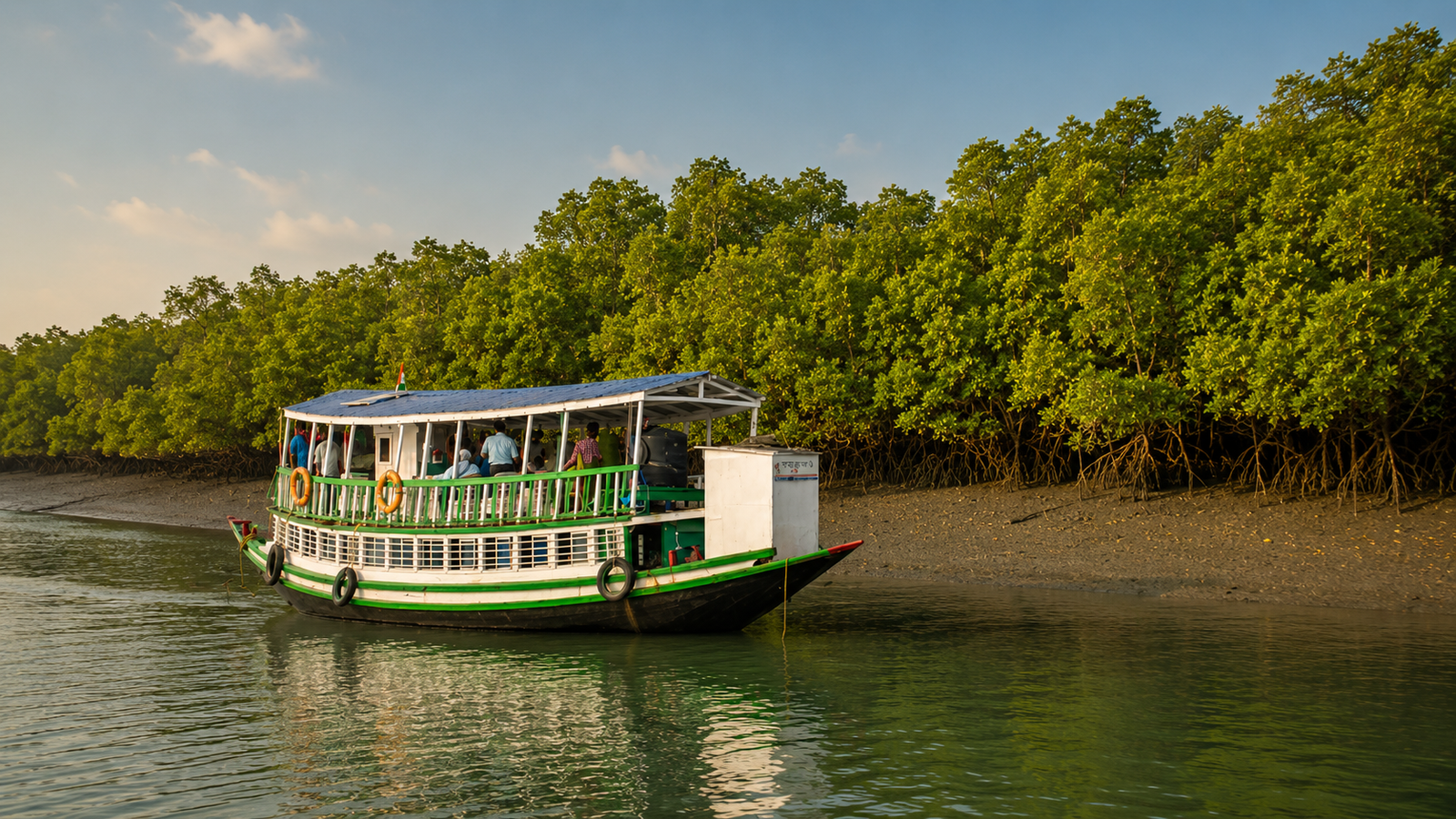
2. Pirkhali & Gajikhali Narrow Creeks These serpentine tidal channels wind between the core sanctuary and buffer zone. Because motorized trawlers cannot enter shallow side creeks, Go Sundarban Tour utilizes specially balanced safari boats that cut engines and drift silently along Pirkhali 1, Pirkhali 2, and Gajikhali canals, where tigers are frequently spotted swimming across the water just 30 to 50 meters ahead!
3. Dobanki Aerial Canopy Walk Overlooking dense Sundari and Gewa forests, Dobanki offers a bird's-eye perspective. Tigers often use the game trails directly underneath the elevated mesh walkway to transit between island clusters.
4. Panchamukhani (The Confluence of Five Rivers) The dramatic junction where five massive tidal rivers merge. Because wide water expanses separate the islands here, tigers swimming across the confluence are visible from great distances, creating breathtaking photographic moments against the endless delta horizon.
Reading the Jungle: How Expert Naturalists Track Tigers
A successful tiger safari is not a matter of luck—it is a masterclass in reading environmental clues. On every Go Sundarban Tour expedition, our veteran local guides track predators using ancestral techniques:
1. Deciphering Jungle Alarm Calls Tigers are apex ambush hunters that rely on absolute secrecy. The moment a tiger begins moving, the jungle announces its presence: - The Chital Deer Alarm Bark: A sharp, staccato pee-onk! sound that echoes through the mangrove canopy. If deer are whistling repeatedly while stamping their hooves, a tiger is stalking within 50 meters. - Rhesus Macaque Chatter: High-pitched screams and branch-shaking from monkeys perched in tree crowns signal that a predator is prowling beneath them. - Bird Agitation: The loud frantic calls of red junglefowl, egrets, and kingfishers fleeing a riverbank.
2. Examining Fresh Pugmarks Naturalist guides scan the riverbanks through binoculars. A crisp pugmark with sharp claw indentation edges and water still seeping into the heel pad indicates the tiger stepped there less than 15 minutes ago. Rounded edges with dry crust indicate an older morning track.

Safari Etiquette for Maximum Sighting Success
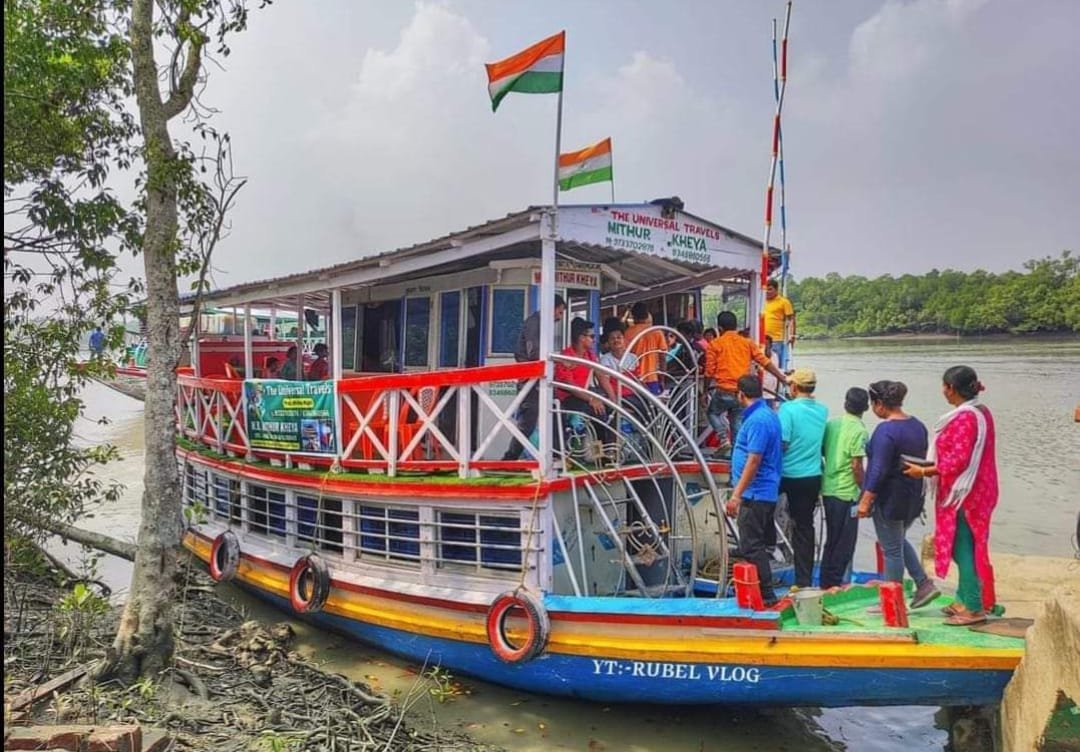
To maximize your chances of a royal encounter, follow these four golden rules of the boat safari: - Maintain Silence on the Top Deck: Tigers possess acute hearing. Loud conversation, mobile ringtones, and slamming cabin doors will cause a tiger concealed behind mangrove foliage to retreat deeper into the forest. - Wear Earth-Tone Colors: Khaki, olive drab, forest green, and dull brown blend with the mangrove tree lines. Bright red, fluorescent pink, and stark white alert wildlife instantly. - Never Use Camera Flash: Flash photography is strictly forbidden as it blinds and distresses wild animals. Use natural daylight and adjust your ISO settings. - Keep Your Binoculars Ready at All Times: Keep binoculars looped around your neck rather than packed away in your bag. In the mangroves, sightings happen in fleeting 10-to-30-second windows.
Frequently Asked Questions on Sundarban Tigers (FAQ)
Q1. Are tiger sightings guaranteed on a Sundarban tour? No ethical tour operator can guarantee a tiger sighting because the Sundarbans is a vast, unfenced natural biosphere spanning thousands of square kilometers. However, choosing a 2 Nights 3 Days tour during the winter or spring months and cruising with experienced naturalists maximizes your sighting probability to its highest statistical peak.
Q2. Do Sundarban tigers attack tourist safari boats? Never. In the entire recorded history of organized eco-tourism in Sundarban National Park, there has never been a single incident of a tiger attacking a tourist vessel. Safari boats maintain safe water distances, have high gunwales and safety railings, and tourist watchtowers are enclosed by heavy steel mesh fencing.
Q3. What is the total tiger population in the Indian Sundarbans? According to the latest National Tiger Conservation Authority (NTCA) census, the Indian Sundarban Tiger Reserve is home to approximately 100 to 105 Royal Bengal Tigers, reflecting a healthy, growing population supported by rigorous anti-poaching measures.
Q4. What camera equipment is best for photographing tigers in Sundarban? A DSLR or mirrorless camera body paired with a 100-400mm or 150-600mm telephoto zoom lens is ideal. Because safari boats constantly drift with water currents, lenses with optical image stabilization (OIS) and fast shutter speeds (1/1000s or faster) produce the sharpest results.
Q5. Can I go on a night safari to see tigers hunting? No. Night safaris inside the core national park are strictly illegal under West Bengal wildlife conservation laws. All boats must exit the sanctuary waters and anchor by 5:30 PM to ensure wildlife remains undisturbed during their nocturnal hunting cycles.
Q6. What is the best time of day for sightings during a boat cruise? The two prime windows are early morning (06:30 AM to 09:30 AM) when mist clears and animals emerge to drink, and late afternoon (03:00 PM to 05:30 PM) during receding tides when predators patrol exposed mudflats before dusk.
Table of Contents
Dr. Prabal Ganguly (Wildlife Biologist)
Go Sundarban Tour Wildlife & Research Team
Dedicated to conservation, ethical safari education, and showcasing the beauty of the Bengal delta.
Experience Sundarban In Person
All-inclusive packages with AC transfers, boat safaris & authentic Bengali buffet.
View Tour PackagesRelated Articles & Guides
View All Articles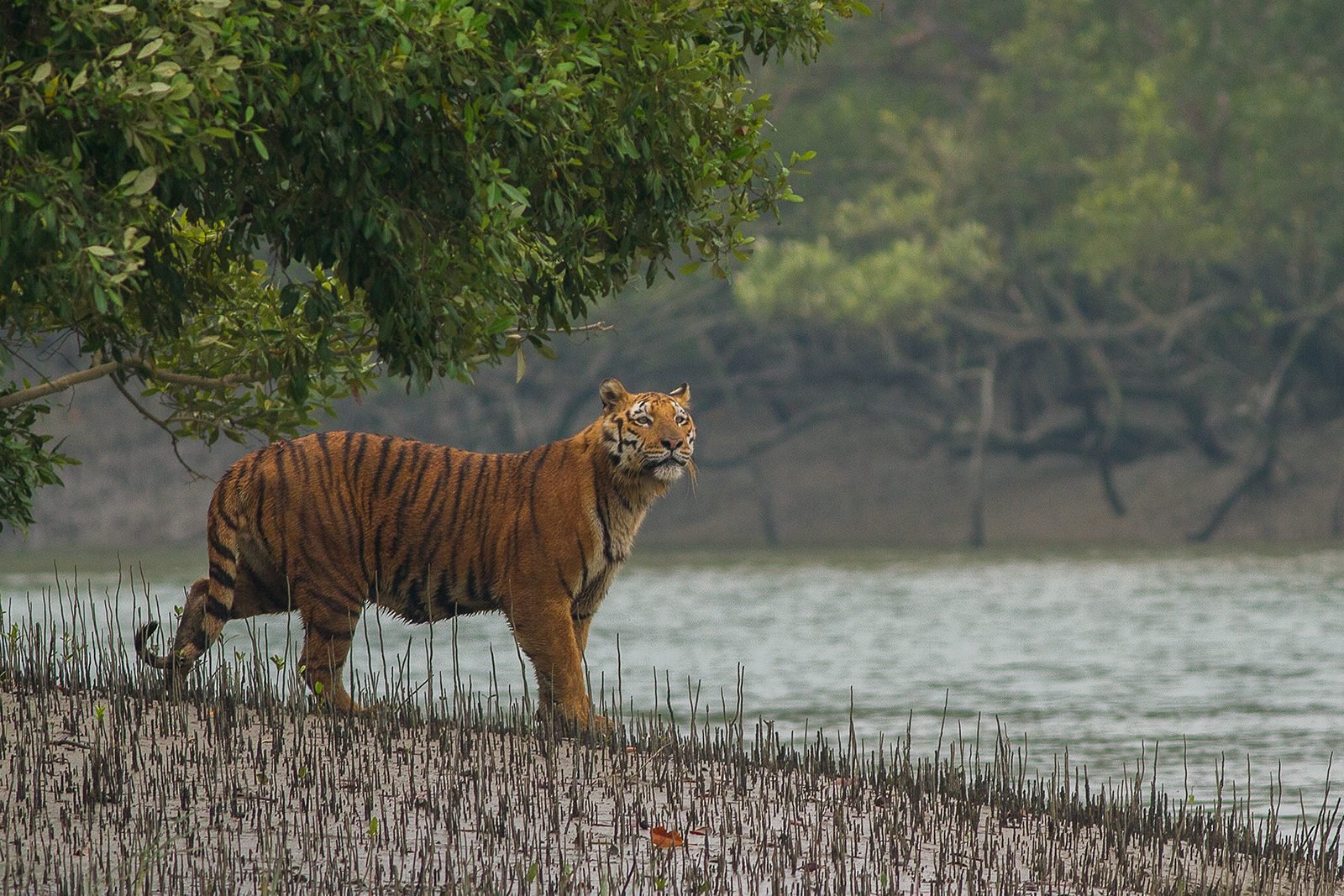

Ready For Your Unforgettable Sundarban Safari?
Reserve your seats today with a minimal advance. Certified naturalist guides, luxury river vessels, and authentic Bengali feasts await you.